Water Extraction in Albany, CA
Standing water is pumped out of Albany bungalows, apartments and shops first, since the longer it sits the deeper moisture travels into pad, framing and drywall, and then drying is planned from the readings.
(888) 774-9605Get extraction started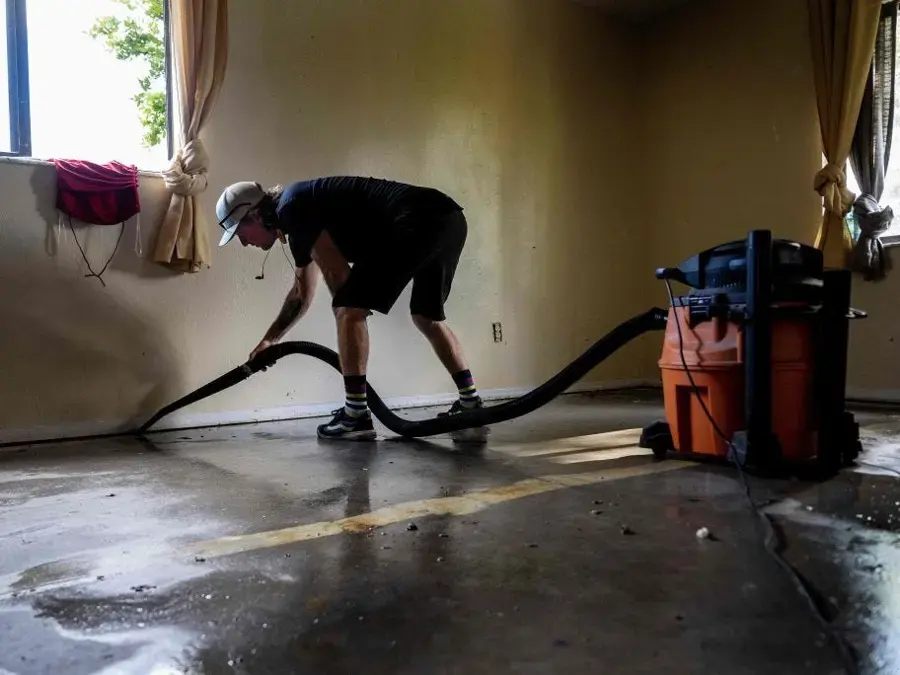
Water Extraction and Removal in Albany: what the crew does first
In Albany, extraction comes first because the housing is dense and many walls are shared. Water left on a bungalow floor or in an apartment unit soaks into pad, baseboards and wall bottoms, then travels toward neighbors. Pumps and wet vacuums take out what they can before any drying equipment runs, and a moisture map keeps the crew from missing water hiding under flooring.
Water still moving in Albany?
(888) 774-9605Ask about extractionFirst steps for water extraction and removal
- 1
Map the wet area
Meters and a thermal camera trace water under floors and into walls.
- 2
Pump it out
Truck-mounted or portable pumps and wet vacuums remove standing water from floors.
- 3
Remove soaked pad
Wet pad is cut out and discarded, and carpet is lifted so the floor can dry.
- 4
Hand off to drying
Equipment is placed from the readings, and daily checks follow until dry.
What does water extraction and removal cost in Albany, CA?
The figure depends on how many rooms are wet and which category the water is. Expect roughly $700 to $2,500 for one or two rooms, rising to $15,000 when a whole floor or Category 3 water is involved.
One or two rooms
$700 to $2,500
- Pump or vacuum extraction
- Wet pad removed
- Moisture map drawn
Several rooms affected
$2,500 to $6,000
- Carpet and hard floors dried
- Subfloor moisture checks
- Drying equipment placed
Whole floor or Category 3
$6,000 to $15,000
- Sewage or storm water
- Pad and drywall removed
- Containment set up
Ranges are typical, not a quote: the water category, square footage, material class and how fast drying started move the number most. Run the water damage cost calculator for a closer range.
How water extraction and removal is handled in Albany, step by step
- 1
Walk the property
The crew inspects each wet room and notes source, category and materials.
- 2
Extract and remove
Water is pumped or vacuumed, and pad or drywall that cannot dry is cut out.
- 3
Set the equipment
Air movers and dehumidifiers go in, placed by room size and material.
- 4
Read until dry
Daily readings decide when equipment comes out, and final numbers are recorded.
What the extraction step covers
- Standing water on floors, in garages and in ground-floor units
- Soaked carpet pad, usually cut out and discarded rather than dried
- Water trapped under hard flooring, drawn up with vacuum tools
- Moisture sitting in cabinet bases and the bottoms of walls
Extraction does not finish the job, but it removes most of the water that dehumidifiers would otherwise have to pull from the air for days.
Albany buildings and where water goes
Much of the waterfront is artificial fill beside the bay, and the older streets hold bungalows built from 1900 to 1950, with apartments and condominiums making up most units built after that. Each building type holds water differently, so crews trace where it went before choosing a method. The lowest rooms are checked first, since water settles there and soaks the longest.
Apartment losses add a second job: finding out whether water crossed a ceiling or wall into the next unit, so readings are taken on both sides before the area is called dry.
When the water is not clean
Storm water and sewage change the plan, because Category 3 water means containment and removal instead of drying in place. In that case the work moves to sewage backup cleanup or storm and creek flood cleanup, and carpet, pad and low drywall are discarded.
What happens after the water is out
Once pumping stops, moisture readings show what remains in the subfloor, framing and wall cavities, because a floor can feel dry while the materials behind it are still wet. Equipment is placed from those readings, and the structural drying work runs until every material reaches its dry goal, with each day's numbers written down.
Water extraction and removal across Albany and nearby towns
Extraction crews work across ZIP 94706, from Albany Hill and the Solano Avenue area to West Albany, East Albany and the Waterfront District, in houses, apartments and storefronts. Each address gets a moisture map before pumps are placed.
The same service nearby: water extraction and removal in San Pablo, El Cerrito, Richmond.
Related water damage services in Albany
Water Extraction and Removal questions in Albany, CA
Should standing water be removed before fans are set up?
Yes. Fans alone only move water around, and dehumidifiers work best when extraction has taken the bulk of the liquid out first.
Can carpet be saved after a flood?
Clean-water carpet can sometimes be dried in place, but the pad underneath is usually cut out. Gray or black water means the carpet goes too.
How do crews know water is hiding under flooring?
Moisture meters and thermal cameras read through surfaces, so wet spots show up even when the floor looks dry.
Does extraction work on concrete floors?
Surface water is vacuumed up first, then dehumidifiers and air movers draw out what has soaked into the slab.
What if the water came from a drain?
Sewage water is Category 3, so crews contain the area, remove contaminated materials and treat surfaces. See sewage backup cleanup for that process.
Is a wet vacuum enough for a small spill?
For a small clean-water spill, often yes, provided the pad and baseboard are checked with a meter afterward.
Water on the floor in Albany?
Pumping and moisture mapping come first, and the sooner standing water is removed the less material has to be torn out.
San Pablo, CA · Contra Costa County · open 24/7