Water Extraction and Removal in San Pablo, CA
Standing water does the most damage in the first hours. The extraction crew pulls it out with truck-mounted units and wands so pad, baseboards and subfloor can be dried instead of torn out.
(888) 774-9605Pump the standing water out now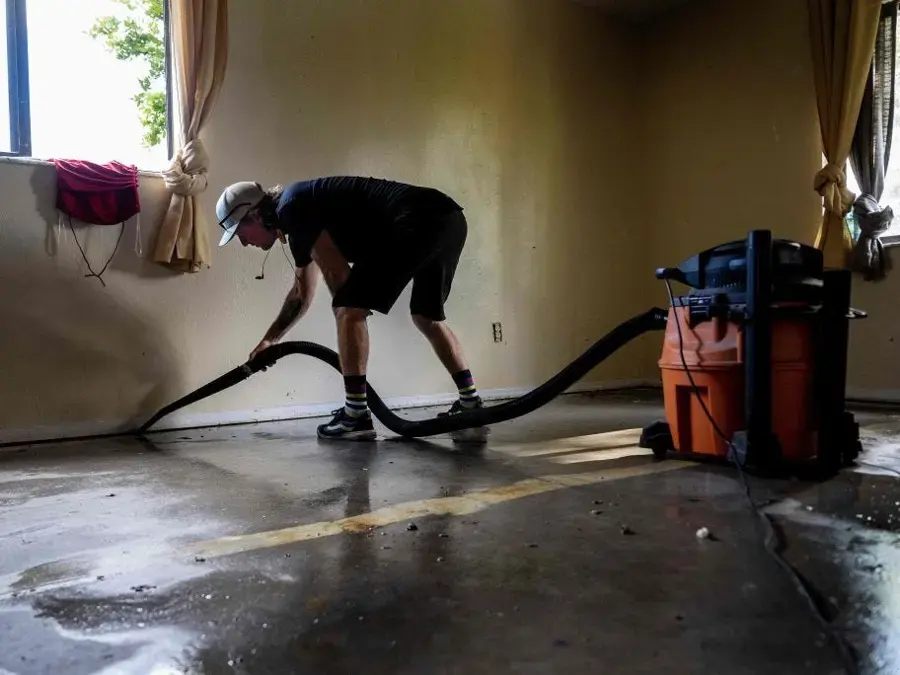
Water Extraction and Removal in San Pablo: what the crew does first
The extraction crew starts at the source, confirms the water is shut off and checks which category of water it is. Then the truck-mounted unit goes to work: hoses run in from the street, and wands pull water out of carpet, off hard floors and out of low spots. In a raised-floor house the crew also checks the crawl space, because water that drips through the floor collects there out of sight.
Water still moving in San Pablo?
(888) 774-9605Pull the water out nowFirst steps for water extraction and removal
- 1
Stop the source
Close the main valve or the fixture valve, and keep the water from spreading.
- 2
Make it safe
Cut power to wet rooms at a dry panel, and stay out of water near outlets.
- 3
Document it
Photograph the water and the source before moving anything.
- 4
Call for extraction
The sooner the water is pulled out, the more can be dried in place.
What does water extraction and removal cost in San Pablo, CA?
In San Pablo, CA, emergency water extraction typically runs $700 to $15,000, depending on how much water there is, the water category, how many rooms it reached and whether the crawl space is wet too.
One or two rooms
$700 to $2,500
- Truck-mounted extraction
- Carpet and pad pulled dry
- Moisture map
Several rooms
$2,500 to $6,000
- Hard floors and carpet
- Crawl space check
- Drying setup
Whole floor or Category 3
$6,000 to $15,000
- Contaminated water
- Pad and materials removed
- Containment
Ranges are typical, not a quote: the water category, square footage, material class and how fast drying started move the number most. Run the San Pablo water damage cost calculator for a closer range.
How water extraction and removal is handled in San Pablo, step by step
- 1
Inspect and categorize
The source, the category and the wet areas are checked before equipment comes in.
- 2
Extract
Truck-mounted units and wands pull water from carpet, floors and low spots.
- 3
Map moisture
Meters and thermal imaging show where water is still hiding.
- 4
Set the drying plan
Air movers and dehumidifiers go in, with readings logged daily.
Why extraction comes before any fans
Air movers and dehumidifiers remove water as vapor, which is slow. Extraction removes it as liquid, which is fast. A wet carpet that is extracted well dries in days; the same carpet left to evaporate can take a week or more and often has to come out.
- Truck-mounted units have far more suction than a shop vacuum and pull water out of pad as well as carpet.
- Weighted extraction tools press water out of carpet and pad in place.
- Hard floors are squeegeed and extracted along the seams, where water slips under.
What gets extracted in a San Pablo home
Most San Pablo calls involve a supply leak, a water heater, an appliance or storm water at a door or vent. Each leaves water in different places, so the extraction plan changes with the source.
- Carpet and pad in bedrooms and living rooms after a burst pipe or water heater failure.
- Vinyl plank and laminate, where water runs under the planks and sits on the subfloor.
- The crawl space, when water drips through a raised floor; see crawl space water damage.
- Garages and laundry rooms after storm runoff or a washer hose.
Safety before extraction
Standing water and electricity do not mix, so the crew confirms power is off to wet rooms first. Storm and creek water is treated as contaminated; the Ready.gov flood safety page explains why floodwater is handled with care. After extraction, fast drying keeps the home outside the 24 to 48 hour mold growth window that the EPA mold page describes.
After the water is out
The tech maps moisture with meters and thermal imaging, then sets air movers and LGR dehumidifiers for the room. Readings are logged daily until the materials match a dry reference. That part of the job is covered under structural drying.
Water extraction and removal across San Pablo and West Contra Costa
The San Pablo restoration crew covers ZIP 94806, from Downtown San Pablo and San Pablo Avenue out along 23rd Street, Rumrill Boulevard, El Portal Drive and Road 20 to the homes along Wildcat Creek and San Pablo Creek.
Nearby coverage reaches Richmond, Pinole, El Cerrito, Hercules, Albany, El Sobrante and North Richmond.
Related water damage services in San Pablo
Water Extraction and Removal questions in San Pablo, CA
How fast should water be extracted?
As soon as possible. Water spreads under flooring and wicks up drywall every hour it sits, and after 24 to 48 hours the mold growth window opens.
Can I use a shop vacuum instead?
A shop vacuum helps with a small spill, but it cannot pull water out of carpet pad or from under flooring. Truck-mounted extraction removes far more water.
Will my carpet have to be replaced?
Carpet soaked by clean water and extracted quickly can often be dried and kept. Pad is cheaper and often replaced. Carpet touched by sewage or creek water comes out.
Does extraction include the crawl space?
Yes, when water reached it. In a raised-floor house, water that drips through the floor collects under the house and needs its own pump-out.
How is the water category decided?
By the source. Supply water is Category 1, washer and dishwasher water is Category 2, and sewage or storm runoff is Category 3.
What happens after extraction?
The tech maps moisture, sets air movers and dehumidifiers, and logs readings daily until materials match a dry reference.
Water on the floor in San Pablo? Get it extracted.
Extraction is the cheapest part of a dry-out and saves the most material. The extraction crew starts as soon as it is called.
San Pablo, CA · Contra Costa County · open 24/7